
Alcohol Detox: Withdrawal Symptoms, Side Effects, And More
Prolonged drinking leads to deficiencies in vitamins B1 (thiamine), B6, B12, magnesium, and zinc, which contribute to withdrawal symptoms such as fatigue, tremors, and psychological distress. Outpatient Detox is a structured program that lets you detox at home with scheduled medical visits and support. You’ll have access to medication-assisted treatment (MAT), therapy, and programs like PHPs and IOPs to manage symptoms and reduce cravings. Alcohol detox is the process of flushing alcohol from the body while managing withdrawal symptoms in a controlled environment.
OUR RECOVERY CENTER CAN GIVE YOU
However, full recovery from alcohol-related liver damage takes months or even years, depending on individual health factors. For most alcohol detox side effects people, alcohol withdrawal symptoms will begin sometime in the first eight hours after their final drink. A rare but very serious syndrome called delirium tremens can occur during alcohol withdrawal. Also known as DTs, an estimated 2% of people with alcohol use disorder and less than 1% of the general population experience them. Psychological support is a critical component of the alcohol detoxification process.
How Quickly Do Drug Withdrawal Medications Work?
Your doctor may decide to order different tests, such as blood work or a heart test. These results can help them learn how alcohol has affected your body and identify any infections, injuries, or other health issues that need treatment. The main management for severe symptoms is long-acting benzodiazepines — typically IV diazepam or IV lorazepam. It’s important to be honest about your alcohol use — and any other substance use — so your provider can give you the best care. The Recovery Village Baptist Health specializes in compassionate, evidence-based care tailored to your needs.

The Affordable Care Act (ACA) requires most insurance plans to include coverage for substance use disorder treatments, including detoxification. Contact your insurance company and inquire about benefits related to substance use treatment to confirm coverage. Yes, there are holistic and alternative approaches to alcohol detox, which focus on supporting the body and mind through natural detox methods, lifestyle changes, and mind-body therapies. While these approaches help ease withdrawal symptoms and promote overall well-being, they are used alongside medical guidance for safety and effectiveness. Social or supportive detox is a non-medical detox approach that relies on peer support, counseling, and emotional guidance rather than medical intervention. This method is suitable for individuals with mild withdrawal symptoms who do not require medication but benefit from structured support in a safe, alcohol-free environment.
How Much Does Inpatient Physical Rehab Cost?
An Inpatient Rehabilitation Facility provides 24/7 care and therapy to help patients recover, regain independence, and improve their quality of life. While some commercial detox products temporarily mask alcohol in urine tests, they do not provide true liver detoxification or accelerate the natural elimination process. More than half of those who entered addiction treatment took that first step voluntarily, as shown in marijuana addiction the “New Jersey Statewide Substance Use Overview Report 2022,” which found that 53% sought aid on their own. Each medication is chosen with care, based on what your body needs most, by your detox team, administering every dose with your safety and well-being in mind.
- The speed at which drug withdrawal medications work depends on whether they are treating acute withdrawal symptoms or post-acute withdrawal syndrome (PAWS).
- There are several types of alcohol detox, including outpatient detox, inpatient detox, and medically supervised detox.
- It is a complex interplay that requires careful consideration by healthcare professionals.
Paying for Treatment
- Outpatient detox allows individuals to detox at home while receiving medical monitoring and support from healthcare providers.
- Naltrexone and acamprosate are first-line treatments with well-established efficacy.
- Alcohol detox is the process of removing alcohol from the body, typically under medical supervision, to ensure the safe elimination of toxins and manage the physiological effects of alcohol withdrawal.
Alcohol detoxification, commonly known as alcohol detox, is the first stage of treating alcohol use disorder (AUD). It clears alcohol from your system and manages withdrawal symptoms after you stop drinking. Detox addresses physical dependence and prepares your body for long-term treatment. The alcohol detox timeline is the process by which the body eliminates alcohol, lasting a few days but varying based on individual factors like dependency level and overall health.
Naltrexone blocks opioid receptors but does not activate them, preventing misuse potential. Acamprosate does not interact with the brain’s reward system, reducing the risk of dependency. Disulfiram (Antabuse) is a prescription medication used to discourage alcohol consumption by inducing unpleasant physical reactions. Disulfiram inhibits aldehyde dehydrogenase (ALDH), an enzyme metabolizing alcohol. Disulfiram creates an aversive reaction by inhibiting aldehyde dehydrogenase, leading to nausea, flushing, and discomfort when alcohol is consumed.
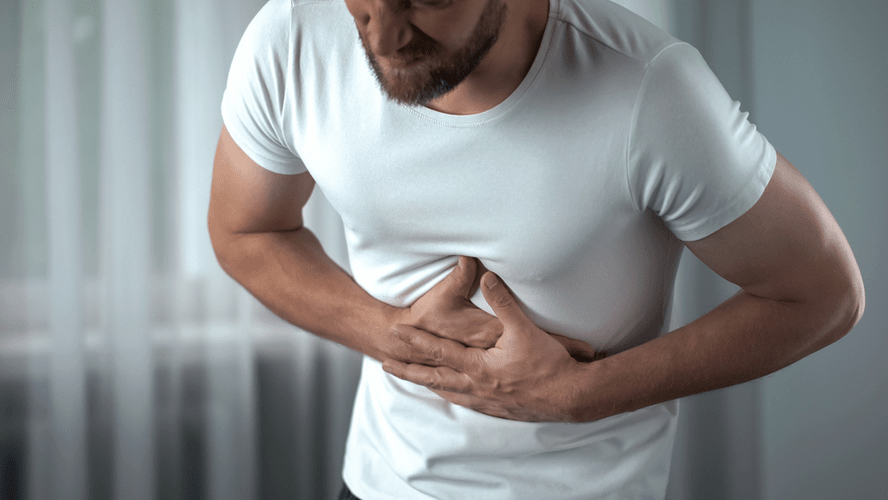
Its use during alcohol detox is vital for some patients, particularly in managing withdrawal symptoms and preventing relapse. Research indicates a growing trend in prescribing naltrexone for Alcohol use disorder (AUD) in US treatment facilities, with specific emphasis on improving access for various patient demographics. Medical detoxification is a supervised process that a team of healthcare professionals should carry out. It provides a safer alternative to unsupervised withdrawal, with benefits including the mitigation of withdrawal symptoms, prevention of severe health risks, and laying the groundwork for comprehensive addiction treatment.
By reducing these symptoms, these medications improve patient comfort and compliance with treatment, facilitating a smoother transition through the withdrawal process. These commonly used medications for alcohol addiction work in different ways to reduce alcohol dependence. Medications like benzodiazepines, naltrexone, and beta-blockers help manage symptoms and reduce relapse risk. While detox usually lasts 3–7 days, some people experience lingering symptoms that need continued care.
Factors such as participation in ongoing therapy, rehabilitation programs, and support groups like Alcoholics Anonymous (AA) significantly affect success rates, emphasizing the need for a comprehensive recovery plan. Yes, alcohol detox can trigger long-term health complications, particularly due to sudden neurotransmitter imbalances. Neurotransmitter dysregulation during detox causes persistent neurological and cognitive issues, such as cognitive impairment, memory problems, and difficulty concentrating.
When someone who is dependent on alcohol suddenly stops drinking, they will experience alcohol withdrawal symptoms, which can be managed in a detox setting. The best alternatives to alcohol addiction medications are therapy-based treatments like Cognitive Behavioral Therapy (CBT) and Motivational Interviewing (MI), holistic approaches such as yoga and meditation, and support groups. Alcohol addiction medication benefits long-term recovery by reducing cravings, preventing relapse, and supporting brain function, making it easier for individuals to maintain sobriety.


About Post Author


